Flag of the UAEthe UAEONE-TO-ONE IB TUITION FOR UAE FAMILIES, DELIVERED ONLINE

IB Home Tutor in the UAE

Parents searching for an IB home tutor in the UAE are usually trying to answer one question: what should this cost, and what am I getting for it. This page answers it with the numbers other providers leave off the page, including how much of a visiting tutor's hourly rate is paid for driving rather than teaching. IB Gram delivers one-to-one IB tuition live online, on Gulf Standard Time, with a free trial lesson in the subject before any payment is taken.

  • Market rates published in AED, each one attributed to its source
  • Matched by syllabus, guide and level, never by drive time
  • Live one-to-one video lessons, scheduled on Gulf Standard Time
  • One free trial lesson per subject, booked before you pay anything

AED 45-650

published hourly range across the UAE market, October 2026

227

private schools in Dubai teaching 17 curricula (KHDA, 2024-25)

7%

share of Dubai private-school pupils on IB programmes (KHDA, 2024-25)

5

separate authorities regulating private schools across the emirates

International schools near the UAE
  • Dubai International Academy, Emirates Hills
  • Dubai International Academy, Al Barsha
  • GEMS World Academy Dubai
  • Uptown International School
  • Deira International School
  • Swiss International Scientific School Dubai
  • Greenfield International School
  • Universal American School Dubai
  • Raha International School
  • Cranleigh Abu Dhabi
  • Al Bateen Academy
  • GEMS World Academy Abu Dhabi
  • Abu Dhabi International School
  • Victoria International School of Sharjah
  • RAK Academy
  • The Westminster School Sharjah
  • Sharjah English School
  • Our Own English High School, Sharjah

School names are shown for local academic context only. IB Gram is an independent tutoring platform and is not affiliated with, endorsed by, or representing any school listed here.

IB & IGCSE in the UAE

Nobody prices the driving, so start there

An IB home tutor in the UAE is a person who travels to a flat or villa and teaches one student in their own room. The market for that service is real, it is well established, and published rates for it run from roughly AED 180 to AED 500 an hour. What almost no provider breaks out is the share of that figure that pays for the journey. A tutor who drives from Mirdif to Dubai Marina for a sixty-minute lesson spends closer to two and a half hours on the engagement. The rate has to cover all of it, because nobody absorbs an hour of Sheikh Zayed Road for free.

That single piece of arithmetic drives most of the decisions a UAE family makes about tuition. It explains why in-home rates sit above online ones for the same qualification. It explains the minimum two-hour session, which exists so the travel is amortised over something. It explains why a cancellation at 4pm costs the full fee when the tutor is already on the road. And it explains the quiet constraint underneath the whole model: the tutor your child gets is drawn from whoever teaches that subject and happens to live within a tolerable drive, which in a scarce subject such as Mathematics AA Higher Level or Chemistry Higher Level is a very short list.

IB Gram does not run a visiting-tutor service in the Emirates. Home visits are something we offer only in India. For families here, every lesson is delivered live online, one-to-one, over video, with a shared screen and a document both people write on. We target the phrase "IB home tutor in the UAE" because that is what parents type, and we would rather answer the question properly than pretend a different question was asked.

The honest case for the online format is not that it is cheaper, although at market rates it usually is. It is that removing the drive removes the radius. A family in Khalifa City is no longer choosing between the two Economics Higher Level teachers who live nearby; they are choosing from everyone who teaches Economics Higher Level and can take a 7pm slot on Gulf Standard Time. For a programme where a single subject at Higher Level can decide a university offer, matching on the guide beats matching on the map.

What follows is the full cost picture: what the UAE market charges and who published those figures, where tutoring budgets leak, which marks are cheapest to recover and which are expensive, how the spend should be phased across two Diploma years, and what the permit rules do to the price you are quoted. Every AED figure on this page is a market figure with a source attached. None of them is an IB Gram price list, because we quote after the trial lesson, once we know the subject, the level and the deadline.

At a glance

  • Published in-home rates across the UAE: roughly AED 180-500 per hour, travel included in the number
  • Published qualified-tutor online rates: roughly AED 150-300 per hour for IB and IGCSE levels
  • A sixty-minute in-home lesson typically occupies two to two and a half hours of a tutor's day
  • The scarcer the subject at Higher Level, the smaller the pool inside any drive-time radius
  • IB Gram delivers one-to-one online IB tuition to UAE families; home visits are offered only in India
  • One free trial lesson per subject, with no card details required to book it
IB programmes

Every IB programme stage, mapped to UAE school years

Families search for an IB home tutor at three different points in the continuum, and the money behaves differently at each one. Primary Years work is mostly about habits, Middle Years work is about closing gaps before they compound, and Diploma work is about defending specific marks against a fixed assessment calendar. The rate, the session length and the sensible number of weeks all change with the stage.

PYPAges 3-12 · FS1 to Year 6

Primary Years Programme

The PYP has no external examinations, so there is nothing to revise for and no mark scheme to work against. Support at this stage is about reading fluency, number sense, written expression and the unit-of-inquiry work a child is actually doing in class. Sessions are shorter, usually thirty to forty-five minutes, because attention rather than content is the limiting factor. Weekly rather than intensive is almost always the right pattern here.

This is the stage where UAE families most often pay for a visiting tutor, and where the travel premium is hardest to justify: the market charges the same AED 180-350 for a forty-minute phonics session as for a Diploma hour, because the drive is identical. Online sessions at this age need a parent nearby for the first few weeks, which many families find easier than hosting a stranger at a fixed hour each week.

MYPAges 11-16 · Years 7-11

Middle Years Programme

MYP assessment runs on criteria A to D in every subject, marked out of eight each, rather than on percentages. Parents regularly misread a 5 out of 8 on criterion C as a C grade. The real work at this stage is interpreting those criteria, building the investigative and communication habits the Diploma will assume, and keeping the mathematics ladder intact, because an MYP gap in algebra becomes a Diploma crisis in calculus.

MYP is where the UAE's school-transfer churn does its damage. Families arriving from CBSE, American or British systems mid-stage land in a criteria-based programme with no clear conversion, and often buy tutoring for the wrong thing. A diagnostic hour on the child's actual marked work is worth more than a month of general support, and it is the cheapest hour you will spend in the whole two-year run-up.

DPAges 16-19 · Years 12-13

Diploma Programme

Six subjects, three normally at Higher Level, plus Theory of Knowledge, the Extended Essay and Creativity, Activity, Service. Twenty-four points is the minimum for the award, out of a maximum of forty-five, with up to three points coming from the TOK and Extended Essay matrix. This is where tuition money concentrates, and where it is most often spent late and therefore inefficiently.

UAE schools sit the May session, which means the internal deadlines that matter most to a Diploma family fall in the autumn and winter before it. Rates in this market firm up as those deadlines approach, not because providers raise prices on a schedule but because the scarce Higher Level teachers fill their evenings first. A February enquiry for Chemistry Higher Level is competing for a much smaller pool than a September one.

CPAges 16-19 · Years 12-13

Career-related Programme

The CP pairs Diploma courses with a career-related study, a reflective project, a language-development requirement and a personal and professional skills course. Fewer UAE schools offer it, so subject support is harder to source locally and the visiting-tutor market barely covers it at all. The reflective project is the component families most often ask about, and it is coached, never drafted, by a tutor.

Because CP cohorts in the Emirates are small, a drive-time search for a CP-experienced tutor usually returns nobody. This is the clearest case on the page for the online model: the pool for a niche programme is a national or international one, and a family in Ajman has exactly the same access to it as a family in Jumeirah.

Subject coverage

IB and IGCSE subjects we tutor

These are the subjects UAE families most often ask about by name when they search for an IB home tutor, with what each one actually assesses and where the marks tend to go missing. The weightings matter to the cost conversation: they tell you which components are worth paying to defend and which will look after themselves.

Mathematics: Analysis and Approaches

HL and SL

At Standard Level the two papers carry 40% each and the exploration 20%. At Higher Level the weight splits across three papers at 30%, 30% and 20% with the exploration at 20%, which means Paper 3's problem-solving sits alongside a full internal component. Marks go missing in proof, in complex numbers and in the calculator paper's method lines rather than in the final answers.

Mathematics: Applications and Interpretation

HL and SL

The same weighting structure as Analysis and Approaches, with statistics, modelling and technology use carrying far more of the content. UAE families choose it for the lower abstraction load and then discover that the exploration still demands genuine mathematical reasoning. The most expensive mistake is picking AI when a target engineering or economics course expects AA Higher Level.

Chemistry

HL and SL

Paper 1 is 36% and splits into multiple choice and a data-based section; Paper 2 is 44%; the scientific investigation is 20% at both levels. Organic mechanisms and energetics are where Higher Level students lose most, and the investigation is where the quickest recoverable marks sit, because it is marked against published criteria the student can read in advance.

Physics

HL and SL

The same 36 / 44 / 20 split as the other sciences. Students lose marks on the uncertainty and graphing work that the data section rewards, and on the extended explanation questions where a correct physical idea is written in language the mark scheme cannot credit. Both are teachable in a short, focused block rather than a year of general support.

Biology

HL and SL

Content volume is the problem rather than difficulty. The 2023 guide organises the course around unifying themes and levels of organisation, and students who revise topic lists rather than those connections stall in the mid-range. The scientific investigation's 20% is often treated as a write-up exercise when it is really a design exercise, and that is where the grade moves.

Economics

HL and SL

Higher Level sits at 20% for Paper 1, 30% for Paper 2 and 30% for Paper 3, with the portfolio of commentaries at 20%. Paper 3 is the quantitative paper and it is the one that separates a 5 from a 7. Commentary marks are lost on weak real-world linkage and on diagrams that are drawn but never referred to in the argument.

Business Management

HL and SL

The concept-based 2022 guide expects every answer to carry a conceptual lens, which is a habit rather than a knowledge gap. Case-study papers reward structured evaluation under time pressure. The internal assessment differs by level, and Higher Level students regularly misjudge the volume of primary research required before the writing can even begin.

English A: Language and Literature

HL and SL

Paper 1's guided textual analysis is 35%. At Higher Level Paper 2 falls to 25%, the HL essay carries 20% and the individual oral 20%. The oral is the component UAE students most often underprepare, because it needs a global issue, two chosen extracts and ten minutes of unscripted argument rather than a memorised script.

English B

HL and SL

Reading, listening, writing and an individual oral, with the Higher Level oral built on a literary extract from one of the two works studied. Second-language students in the Emirates frequently sit English B when their written fluency would carry English A, or the reverse, and getting that choice wrong costs more points than any amount of later tuition recovers.

Theory of Knowledge

Core

The TOK essay responds to one of six prescribed titles released for each session, and the exhibition asks for three objects against one of thirty-five internal assessment prompts. Together with the Extended Essay, TOK contributes up to three of the forty-five points. It is coached through questioning and feedback on the student's own drafts, never drafted for them.

Extended Essay

Core

A 4,000-word independent research piece in a chosen subject, supervised at school and assessed against five criteria. The costly failures are a question too broad to answer in the word limit and a subject choice that leaves the student without a method. Both are fixed in planning conversations, which is the cheapest stage at which to fix anything.

Arabic as an additional language

School-mandated

Required in UAE private schools alongside the licensed curriculum and timetabled separately from the Arabic-first-language stream, which KHDA requires schools to keep apart. It does not count towards the Diploma's six subjects but it does appear on the school report, and it is the subject families most often forget to budget for until a report arrives.

How sessions run

Tutoring formats built around UAE school timetables

Four patterns cover almost every request we take from UAE families, and each one has a different cost profile. The pattern matters more than the hourly rate: four well-placed hours before an internal deadline move more marks than twenty hours of general weekly support that starts in March.

Weekly one-to-one through the term

One sixty-minute live online session a week in a single subject, at a fixed slot on Gulf Standard Time. This is the default for Diploma families and the pattern against which every other cost comparison on this page is drawn. The session follows the school's own sequence rather than a parallel syllabus, so the student is never carrying two courses at once.

  • Fixed weekly slot, agreed after the free trial lesson
  • Written notes to the parent after each session
  • Follows the school's teaching order and assessment dates
  • Reviewed every six to eight weeks against marked work

Twice-weekly Higher Level pairing

Two sessions a week in one Higher Level subject, usually split between content teaching and timed question practice under exam conditions. Families take this up for the subject that is holding the points total down, rather than across the board. It is the most expensive pattern per month and the easiest to justify when the subject is a university prerequisite.

  • One content session and one timed-practice session each week
  • Mark-scheme language taught explicitly, not assumed
  • Past-paper work set from the school's own board materials
  • Stepped down to weekly once the gap closes

Coursework feedback clinic

Scheduled blocks around the scientific investigation, the mathematical exploration, the Extended Essay or the TOK essay. The student brings their own draft and their own data; the tutor questions, points at criteria and gives written feedback. Nothing is drafted, rewritten or completed on the student's behalf, and the school supervisor remains the person who signs the work off.

  • Criterion-by-criterion feedback on the student's own draft
  • Research question and method interrogated before writing starts
  • Data handling, uncertainty and referencing checked, not corrected for them
  • A written record of what was discussed, for the school's honesty log

Pre-session intensive block

A fixed number of hours concentrated in the weeks before the May session, bought as a block rather than a standing weekly slot. Useful when a family is spending late and needs to spend well. We will say plainly if the remaining time cannot cover what is being asked, because a block sold into six weeks for a two-year content gap is money wasted.

  • Hours agreed up front and scheduled in advance
  • Built backwards from the first paper in the subject
  • Prioritised by component weighting, not by syllabus order
  • Honest assessment first on what the time can realistically reach
Verified tutors

IB and IGCSE tutors available to students in the UAE

These are specialists in single IB Diploma subjects at a named level, not generalists who cover a year group. Each card shows the subject, whether the tutor works at Standard or Higher Level, and the coursework component they supervise. Lessons run live online, one student to one teacher.

Explore IB tutor options
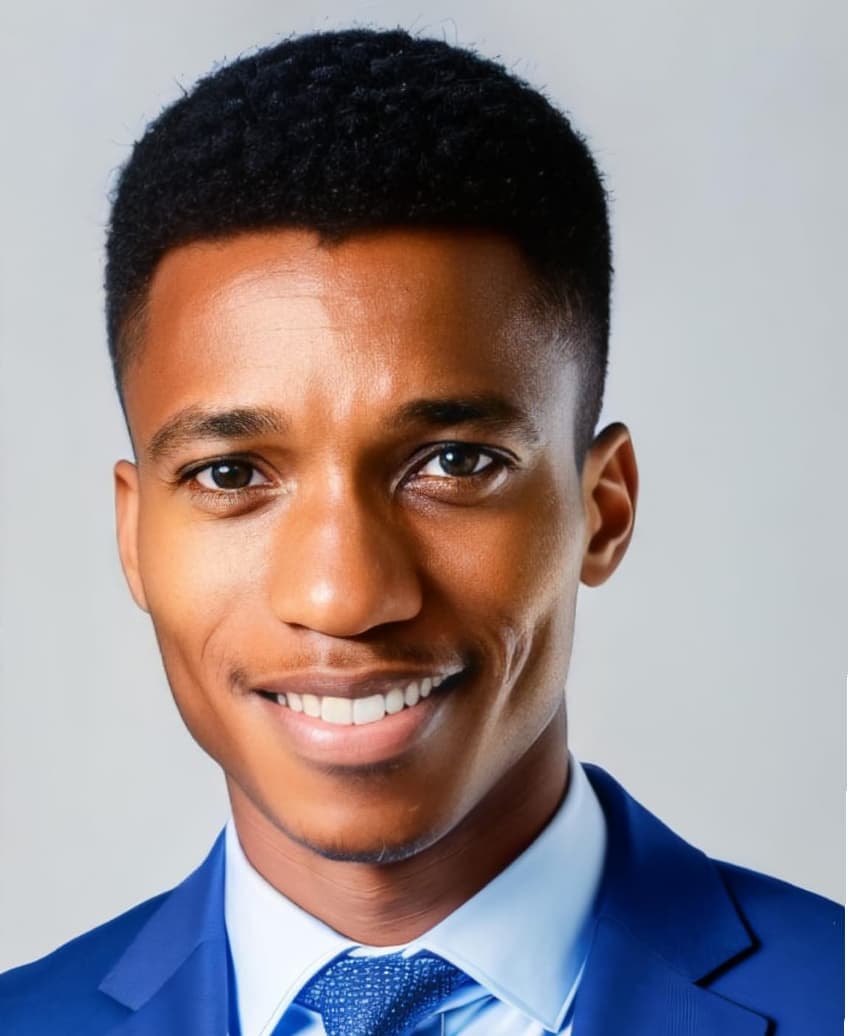
Anuradha Mohan

Anuradha Mohan

Mathematics

IB + IGCSE

4rating15 Yrs
Chennai, GuduvancheryOnlineIndia
IB Maths tutorIB DP Maths tutor
Check availability
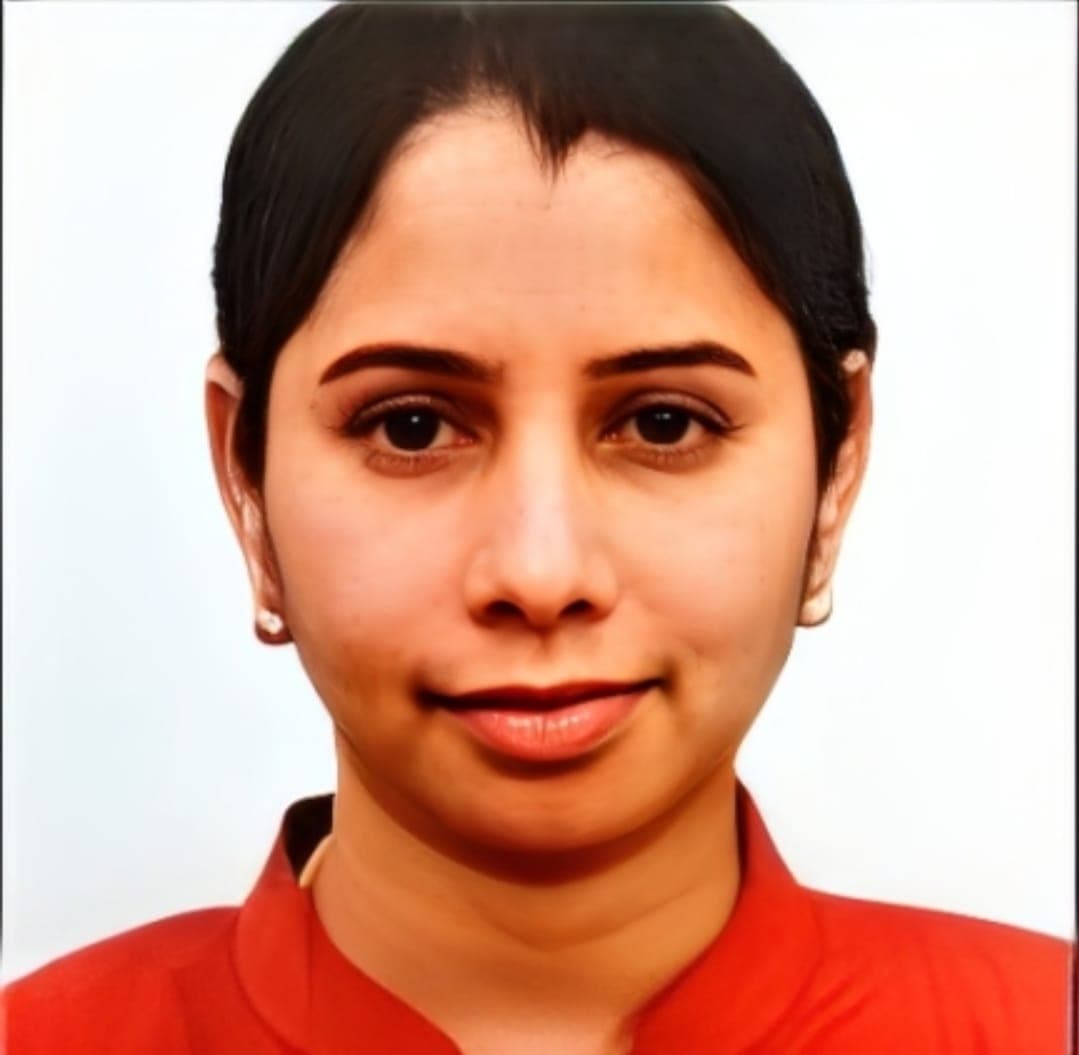
Precious Obiwuru

Precious Obiwuru

Biology

IB + IGCSE

4rating6 Yrs
AbujaonlineAll countries
IB DP Biology tutoronline Biology tutor
Check availability
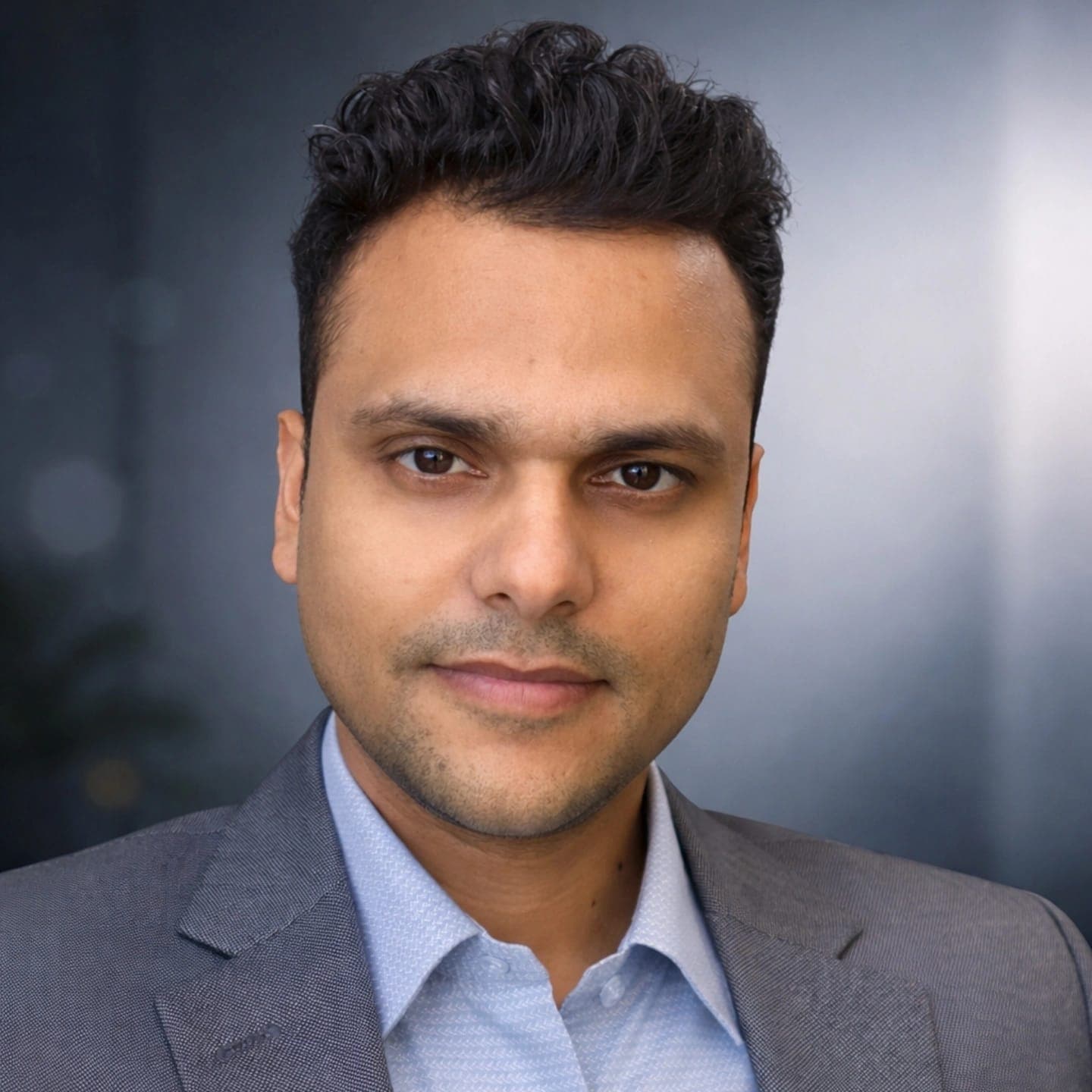
Ajay Vatsyayan

Ajay Vatsyayan

Math AAHL

IB + IGCSE

5rating14 Yrs
Gurugram, Online(usa/canada/australia /EU)home / online(usa/canada/australia/EU)AustraliaUnited States+2 more
IB Maths Tutor(MYP/DP)IGCSE Tutor(9-12)
Check availability
The full picture

What IB and IGCSE study actually looks like in the UAE

01

What an IB home tutor charges in the UAE, and how much of it is teaching

Published hourly rates for in-home one-to-one tuition in the Emirates run from about AED 180 to AED 500. Bestimate's Tutoring Cost Dubai 2026 rate table puts the general in-home band at AED 180-350, with independent home tutors quoting AED 200-500 and specialist IB, IGCSE and A-Level tutors at AED 200-450 and above. Online rates from the same market sit lower: EdFlik publishes from AED 45-65, Tutopiya from AED 33-52, Unitors from AED 150 for IGCSE and AED 200 for IB, TutorChase at AED 270, and BartyED at AED 650 for a premium named tutor. All of those figures were published by those providers and read in October 2026.

The gap between the in-home and online columns is not a quality gap. It is a travel gap. A tutor who commits to a sixty-minute lesson across town is committing two to two and a half hours of an evening, and in a city where a single evening holds perhaps two such journeys, the hourly rate has to carry the whole block. The clearest way to see it is to convert each format into teaching minutes bought per AED 100, which is what the table below does.

This is also why home-tuition quotes in the UAE so often come with a two-hour minimum attached. A ninety-minute drive for a sixty-minute lesson is not a business; a ninety-minute drive for two teaching hours is. The minimum is rational from the tutor's side and it is the single biggest reason families end up buying more hours than the subject actually needs, at the stage when the student's concentration has already gone.

None of the figures above is an IB Gram price. We publish the market so a parent can read a quote properly, and we quote our own rate after the free trial lesson, once we know the subject, the level and how many weeks are left before the component that matters.

WHAT AN HOUR BUYS, BY FORMAT — PUBLISHED UAE MARKET RATES, OCTOBER 2026
FormatPublished AED per hourTravel inside the priceTeaching minutes per AED 100What the rate assumes
Visiting tutor, general subjects180-350 (Bestimate, 2026)60-150 minutes of driving, unpaid17-33Two-hour minimum, one booking per evening
Visiting tutor, independent IB specialist200-500 (home-tutor listings)Same journey, scarcer teacher12-30Fixed slot, cancellation charged in full
Online one-to-one, qualified subject tutor150-300 (Unitors, 2026)None20-40Student has a device, a headset and a quiet room
Online one-to-one, budget or student tutor33-65 (Tutopiya, EdFlik, 2026)None92-180Generalist cover, rarely a named Higher Level guide
Online one-to-one, premium named tutor650 (BartyED, 2026)None9Scarce subject at Higher Level, booked early
02

The radius problem: why proximity prices your subject

Every in-home tutoring arrangement is a geographic search before it is an academic one. The question a provider is really answering is not "who teaches Chemistry Higher Level well" but "who teaches Chemistry Higher Level and lives within a drive a tutor will accept at 6pm on a Tuesday". Those are very different sets, and the second one shrinks fast as the subject gets narrower.

For a Year 5 maths request in a dense part of Dubai, the drive-time pool is deep enough that the constraint never shows. For Mathematics AA Higher Level, Physics Higher Level, Economics Paper 3 or Theory of Knowledge, it shows immediately. Families in Al Ain, Fujairah and Umm Al Quwain hit it hardest, because the pool inside any reasonable radius is close to empty before the subject is even named. What usually happens next is a quiet substitution: a generalist is offered for a specialist role, and the family only discovers it when the first marked paper comes back.

The scarcity also moves the price in a direction that has nothing to do with teaching quality. When a subject has two available teachers inside a radius, both can charge what the radius will bear. When the same subject is searched nationally and the lesson is delivered over video, the available pool is a different order of magnitude and the rate reflects the market rather than the map.

This is the honest core of the online argument, and it is worth stating without decoration. We are not claiming a screen teaches better than a kitchen table. We are claiming that matching on the subject guide, the level and the assessment calendar beats matching on distance, and that for a Diploma subject carrying a university offer, that difference is the one that shows up in the marks.

SUBJECT SCARCITY AGAINST A DRIVE-TIME RADIUS
Subject and levelHow often UAE families ask for itIn-home pool within a 30-minute driveWhat scarcity does to the quoted rateWhat national online matching changes
Primary maths and EnglishVery oftenDeep in Dubai and Abu Dhabi, thin elsewhereLittle pressure; rate reflects travel onlyShorter sessions become viable at this age
Mathematics AA Higher LevelOftenThin everywhere, close to empty outside DubaiUpper end of the band, booked out by OctoberChoice between several AA Higher Level teachers
Chemistry and Physics Higher LevelOftenThin; generalists frequently offered insteadPremium, with a two-hour minimum attachedMatched on the 2023 guide and the investigation
Economics Higher Level, Paper 3OccasionallyVery thin outside central DubaiScarcity premium, or no offer at allQuantitative-paper specialists become reachable
Theory of Knowledge and Extended EssayOccasionallyAlmost no in-home coverage anywhereUsually declined rather than pricedFeedback blocks with experienced supervisors
Career-related Programme componentsRarelyEffectively noneNo market to quote againstA national pool for a small national cohort
03

Where a UAE tutoring budget actually leaks

Families comparing providers almost always compare hourly rates, and almost never compare the terms around them. In practice the terms decide what a year costs. A two-hour minimum turns a sixty-minute need into a one-hundred-and-twenty-minute bill. A late cancellation policy that charges in full is entirely reasonable for a tutor who is already on Sheikh Zayed Road, and it will still cost a family several hundred dirhams in a term where a child has two bouts of flu and one school trip.

Travel surcharges are the second leak. A quote that looks like AED 250 becomes AED 300 for a villa community beyond the agreed zone, and the surcharge is usually per visit rather than per hour, so it hits short sessions hardest. Then there is the quiet one: the drive means a tutor can realistically hold two bookings in an evening, so the slots that suit a Diploma student — after the school run, after prayers, before homework collapses — are the first to go and the last to be released.

Online delivery removes the travel items and changes the shape of the others. A rescheduled session is a calendar change rather than a wasted journey, so moving it costs nobody anything. Sibling sessions do not have to be back-to-back in the same living room, which matters when one child needs 5pm and the other needs 8pm. And a 7.30pm slot is not competing against a tutor's drive home, so the useful hours of a Gulf school night are actually available.

The table below sets out the five leaks we see most often in quotes UAE parents forward to us, with what each typically costs in each format. Figures are the market's, not ours, and they are the ones to ask about before any arrangement is agreed.

WHERE A TUTORING BUDGET LEAKS, BY FORMAT
SituationTypical in-home positionTypical online positionWho carries the loss
Minimum session lengthTwo hours, often non-negotiableSixty minutes, sometimes forty-fiveThe family, in unused attention
Cancellation inside 24 hoursCharged in full once travel has startedUsually rescheduled at no chargeThe family in-home, nobody online
Travel or zone surchargeAED 30-80 per visit beyond the agreed areaNot applicableThe family, per visit rather than per hour
Peak evening slotsLimited to two bookings per tutor per nightLimited only by the tutor's own calendarThe student, in a worse time slot
Two children, different levelsOften two separate visits and two travel chargesTwo separate slots, no travel either wayThe family, twice over in-home
Monthly package commitmentAED 1,599-1,799 for four two-hour visitsAED 799 for eight online sessionsWhoever signs before the trial lesson
04

Cost per mark: which Diploma marks are cheapest to recover

If the question is value rather than price, the useful unit is not the hour. It is the mark. Diploma components carry fixed weightings, published in each subject guide, and some of them are far more responsive to a small number of focused hours than others. Spending twelve hours on general content review in a science subject and none on the scientific investigation is a common and expensive misallocation, because the investigation is 20% of the grade and is marked against criteria the student is allowed to read before they start.

The internal components share three properties that make them the best value in the whole programme. They are marked against published criteria rather than hidden mark schemes. They are produced over weeks, so feedback has time to change the outcome. And they are worth a fifth of the subject grade or more. By contrast, a late attempt to lift Paper 2 performance across a two-year content load is the most expensive thing a family can buy, because the hours required scale with the syllabus rather than with the task.

The core components behave the same way. Theory of Knowledge and the Extended Essay together contribute up to three of the forty-five points through the published matrix. Three points is the difference between a conditional offer met and missed for many students, and the work is a fixed, bounded task with its own criteria — which makes it one of the few places where a handful of well-timed feedback sessions genuinely moves the total.

The hour figures in the table are what we typically see a focused block take, not a promise about any individual student. The AED column applies market rates to those hours so the arithmetic is visible. No honest provider can promise a particular grade or a specific number of points, and any page that does is telling you something about itself rather than about your child.

COMPONENT WEIGHTINGS AGAINST THE HOURS AND COST OF A FOCUSED BLOCK
ComponentShare of the gradeWhat the work isHours a focused block usually takesAt market rates (AED 200-300/hr)
Scientific investigation (Chemistry, Physics, Biology)20% at SL and HLDesign, data, analysis and evaluation against published criteria6-101,200-3,000
Mathematical exploration (AA and AI)20% at SL and HLTopic choice, mathematical depth, personal engagement, reflection5-81,000-2,400
Economics portfolio of commentaries20% at HL, 30% at SLThree commentaries on real-world articles with diagrams used in the argument6-91,200-2,700
English A individual oral20% at HL, 30% at SLGlobal issue, two extracts, ten minutes unscripted plus questions4-6800-1,800
TOK essay and Extended EssayUp to 3 of the 45 pointsPrescribed title or research question, drafted and redrafted by the student6-10 across both1,200-3,000
Paper 2 across a two-year content load25-44% depending on subjectFull syllabus coverage, timed practice, mark-scheme language30+6,000+
05

What the money buys at each price point

A quote of AED 60 an hour and a quote of AED 450 an hour are not the same product sold at different margins. They buy different people doing different work, and the difference is usually invisible in the advertisement. The lower end of the UAE market is staffed largely by university students and generalists, often working under the private tuition work permit route that explicitly covers unemployed residents, university students and school students aged fifteen to eighteen. That is a legitimate and regulated category, and for primary reading practice it is perfectly sensible.

It is not sensible for Higher Level Chemistry eight weeks before the May session. A Diploma specialist is being paid for three things a generalist cannot supply: fluency in the current subject guide, including which guide the school is actually teaching; the ability to read a mark scheme and tell a student why a correct idea scored nothing; and the judgement to say that six weeks is not enough and the hours should go somewhere else. That last one is the most valuable and the least marketed.

The practical test for a parent is to ask three questions before any money moves. Which guide and first-examination year is my child's subject on? Which internal component is next, and what are its criteria called? And what will you not do with my child's coursework? A tutor who answers all three cleanly is worth the upper end of the band. A tutor who answers none is being bought on price alone, which is a defensible choice at the bottom of the market and an expensive one at the top.

What we list below is what each band typically includes across the UAE market, and what families usually have to ask for separately. The point of the column headings is that most of these items are negotiable and almost none of them are published.

WHAT EACH PRICE BAND TYPICALLY INCLUDES
Price band (AED/hr)Who usually teaches at itNormally includedUsually has to be asked forWhere it fails a Diploma student
33-65University students, generalist tutorsA scheduled hour, homework helpWritten feedback, marked work, any criteria readingNo guide fluency; cannot diagnose a mark-scheme loss
150-200Qualified teachers, onlineSubject teaching to the school's sequenceCoursework feedback blocks, timed-paper markingOften SL-focused; Higher Level depth varies
200-300Subject specialists at a named levelGuide-specific teaching, written session notesProgress reviews, parent calls, mock markingLittle, if the level and component are matched
200-500 in-homeVisiting specialists and independentsThe hour, plus travel time you pay forEverything the two-hour minimum crowds outPool limited to a drive radius, not the subject
650+Premium named and examiner-branded tutorsScarce-subject access, early bookingClarity on what examiner status does and does not meanPrice outruns the marks available in some components
06

Why the in-home rate is what it is: permits, employment and who may teach whom

Private tutoring in the Emirates is a permitted activity, not an informal one. The private tuition work permit was introduced by Ministerial Resolution No. 710 of 2023 and is granted through the Ministry of Human Resources and Emiratisation. It is granted free of charge for two years, and MoHRE's own service page lists no fee and a two-working-day completion time, applied for through its app, website or e-services system. Individuals offering private tutoring without a permit are subject to fines and penalties under the applicable laws; no fine schedule is published, so no figure should be quoted to you as fact.

Eligibility is broad: teachers registered in government or private schools, employees in the government and private sectors, unemployed individuals, university students, and school students aged fifteen to eighteen. That breadth is what produces the enormous spread in published rates, because a school teacher with a Diploma cohort and a first-year undergraduate are both working inside the same legal framework at very different price points. A permit tells you the activity is lawful. It does not tell you the person knows the current Chemistry guide.

There is one boundary that matters more than the price. In Abu Dhabi, ADEK's professional-ethics rules for private and charter school staff bar teachers from providing paid private tutoring to students enrolled at their own school, and the permit's own code of conduct also restricts serving students affiliated with the tutor's school. This has been press-reported rather than read from the current policy document, so verify it against ADEK before relying on the exact wording — but the direction is clear, and "your child's own teacher, privately" is not an arrangement to go looking for.

A tutoring business with premises and staff is a different legal animal again. A training institute in Dubai needs a KHDA Educational Services Permit, obtained in stages with initial approval first and annual renewal requested at least thirty days before expiry. IB Gram holds no such permit, operates no centre in the Emirates and makes no claim to regulator approval of any kind. The permit question a parent should actually ask is about the individual who will teach their child.

WHO MAY TUTOR PRIVATELY IN THE UAE, AND WHAT IT DOES TO THE PRICE
Tutor categoryPrivate tuition work permitCondition that appliesEffect on the rate you are quoted
Teacher at a government or private schoolEligible under Resolution 710 of 2023May not take paid students from their own schoolUpper band; scarce evening availability
Government or private-sector employeeEligibleEmployer position and working hours applyMid band; limited slots, often weekends
Unemployed residentEligiblePermit required before teaching beginsWide spread; depends entirely on subject depth
University studentEligiblePermit required; subject depth varies sharplyBottom band, AED 33-65 territory
School student aged 15 to 18Eligible under the resolutionAge-specific conditions applyBottom band; peer support rather than teaching
Tuition centre with premises in DubaiSeparate KHDA Educational Services PermitInitial approval, then permit and licence stepsCentre pricing, usually group rather than one-to-one
07

Phasing a two-year Diploma budget instead of spending it in March

The most common financial mistake in UAE Diploma families is not overpaying per hour. It is spending the whole budget in the last ten weeks. By February of the second year the internal components are written or nearly written, the scarce Higher Level teachers are booked, and the only thing money can still buy is timed practice. Those are the most expensive marks on the board, because they need the full syllabus behind them.

The same total spend, phased differently, buys more. The first autumn is when a subject choice can still be changed and when the mathematics route — Analysis and Approaches against Applications and Interpretation — can still be corrected against the university courses a student is aiming at. The following spring and summer is when the internal components are designed, which is where the 20% components are actually won. Only the final stretch is genuinely about papers.

UAE families have two local constraints to build around. The academic year runs from the late-August or September start to a June finish for most schools, with the May examination session sitting inside the final term. And Ramadan falls inside the Diploma's heaviest coursework and revision window, with shortened school days and a household rhythm that shifts late. Sessions can move to post-Iftar timing, and planning for that in advance works considerably better than discovering it in week one.

The table phases a typical two-year spend. Session counts are what families most often choose, not a prescription, and the monthly figures apply published market rates rather than any IB Gram price. The column that matters most is the last one: what each stage is actually buying.

WHERE THE SPEND SHOULD SIT ACROSS TWO DIPLOMA YEARS
StageWhat the work isSessions a week most families chooseIndicative monthly spend at market rates (AED)What you are paying for
Year 12, first termSubject and level choices, AA against AI, habitsOne, in the weakest subject only600-1,200A correctable decision, at the only point it is correctable
Year 12, second termContent consolidation, criteria literacyOne per priority subject600-1,200Preventing the gap that later needs thirty hours
Year 12, final term and summerInternal component design and data collectionOne to two, in blocks1,000-2,000The 20% components, at the design stage
Year 13, first termDrafts, Extended Essay, TOK essay, mock preparationTwo in the limiting subject1,600-2,400Up to three core points and the internal marks
Year 13, Ramadan windowMaintenance, post-Iftar timing, lighter loadOne, rescheduled rather than cancelled600-1,200Continuity through a disrupted few weeks
Year 13, final ten weeksTimed papers, mark-scheme language, triageTwo to three, as a fixed block2,000-3,500Paper technique; the most expensive marks available
08

The one purchase that can cost a student the whole Diploma

There is a market in the Emirates for completed Internal Assessments. One provider in this search results set offers them at AED 3,750. That is the single worst value in UAE education, and not because of the price. Submitting work that is not the student's own is malpractice under the IB's academic honesty rules, and the consequence falls on the student, not the seller: at stake is the award of the Diploma itself, after two years of work and two years of school fees.

The boundary is not vague and it is worth knowing precisely, because it is the thing to ask every provider you speak to. A tutor may teach the content a component needs. A tutor may explain what a criterion is asking for and what the examiner is looking for in it. A tutor may read a student's own draft and say where it is unclear, where the data does not support the claim, and which criterion is not yet addressed. A tutor may ask questions that make a student rethink a research question.

A tutor may not supply a topic and call it the student's. A tutor may not rewrite paragraphs, correct a dataset, or hand back a cleaned-up version. A tutor may not be the author of any part of assessed work. The school supervisor signs the authenticity declaration, and the student's own voice has to be recognisable in the final submission. Our coursework clinics exist inside that boundary, with written records of what was discussed precisely so a school's honesty log can show it.

We will also never supply IB, Cambridge or Pearson syllabus documents, past papers, mark schemes or grade-boundary tables as downloads. We reference them and link to the official source, because reproducing them is a copyright matter and, for unreleased material, a malpractice exposure for the student. If a provider offers you a library of papers, that tells you something useful about how they treat the rules your child is bound by.

09

Arabic, Islamic Education and UAE Social Studies: outside the Diploma, inside the timetable

  • Mandatory in Dubai private schools irrespective of the licensed curriculum (KHDA)
  • Separate classes required for Arabs and non-Arabs; combined classes prohibited
  • Arabic as an additional language is a separate stream from Arabic as a first language
  • Teachers of Arabic and Islamic Education need appropriate KHDA approval to teach them
  • Additional or different content needs prior Ministry permission, so support follows the school's material

Arabic, Islamic Education and Social and Moral Studies are mandatory in Dubai private schools regardless of the licensed international curriculum, under KHDA requirements that schools were to implement by the start of the 2025-26 academic year. Federally, private schools are not obliged to follow a specific curriculum beyond Arabic language, social studies and Islamic studies while adhering to the Ministry's general regulations. These subjects do not count towards the Diploma's six, and they are the ones families most reliably forget to budget for.

The structure is specific. KHDA requires schools to organise separate classes for Arabs and non-Arabs in Arabic as a first language, Islamic Education and Social Studies, and states that combined classes for both groups are strictly prohibited because the curriculum expectations and language of instruction differ. Standard Arabic is required as the main language of instruction for Islamic Education for Arabs and for Arabic as a first language; Arabic is the primary language for Social Studies for Arab students; for non-Arabs the school's licensed-curriculum language applies in Islamic Education and in Moral, Social and Cultural studies.

Two further details matter to any tutoring plan. Schools must ensure that all teachers of Islamic Education and Arabic have appropriate KHDA approval to teach those subjects, which is a credential a parent can reasonably ask about. And for the mandatory subjects, the use of any different or additional content without prior permission from the Ministry is strictly prohibited — so support here means working the school's own material, not importing a parallel course. Instructional time is calculated on a forty-minute lesson unit, with schools able to vary lesson length provided the weekly total is met.

For a Diploma family the practical consequence is timetable pressure rather than grade pressure. These lessons occupy hours that a Higher Level subject would otherwise use, they appear on the school report, and a weak Arabic grade in Year 12 produces a late scramble that costs more than steady support would have. Plan the whole timetable, not only the six examined subjects.

10

Five ways to buy tutoring in the UAE, compared without naming names

Every provider in this market compares itself favourably against an unnamed alternative, which tells a parent nothing. The useful comparison is between models, because the model determines who carries the travel, who carries a cancellation, who replaces a tutor who turns out to be wrong for the subject, and what you can and cannot verify before you pay.

Independent freelance tutors are the largest part of the UAE market by headcount. The rate is set directly, the relationship is direct, and there is nobody to escalate to if the match fails. Specialist agencies add screening and a replacement path and charge for it. International marketplaces offer the widest subject coverage and the thinnest local knowledge; several quote in US dollars, which is not the currency a UAE family transacts in, and some route enquiries to numbers outside the country. Tuition centres with premises are a different proposition again: group rates, a fixed location, and a KHDA Educational Services Permit behind them in Dubai.

Then there is school-arranged support, which is often the cheapest and is bounded by the same ethics rules that keep a teacher away from paid work with their own enrolled students. Each model is a reasonable choice for some families. What is not reasonable is choosing between them on an hourly rate alone, because the rate is the one number that does not tell you who absorbs the risk when something goes wrong in week three.

The last column of the table is the one we would read first. In a market where self-asserted ratings and unverifiable headcounts are common, what you cannot see before you pay is a better guide to a provider than what they have chosen to publish about themselves.

FIVE MODELS, COMPARED ON TERMS RATHER THAN ADJECTIVES
ModelHow the rate is setIndicative AED per hourWho carries travel and cancellationsWhat you cannot see before you pay
Independent freelance tutorNegotiated directly, often per block180-500 in-home, 100-250 onlineThe family carries bothGuide fluency; no replacement if the match fails
Specialist agencyPublished band, screening included200-450 (specialist listings)Agency on cancellations, family on travelHow screening was actually done
International marketplacePlatform tiers, often quoted in USDConverted USD tiers, widely variablePlatform policy, applied remotelyWhether the tutor knows UAE schools at all
Tuition centre with premisesCourse or term fee, usually groupTerm packages; group rates per studentThe family travels to the centreGroup size and the teacher assigned on the day
School-arranged supportSchool policy, sometimes included in feesLow or no additional chargeNeither; it happens on siteCapacity, and the ethics limits on who may teach
Online one-to-one platformPer session after a trial lesson150-300 (Unitors, 2026)No travel; reschedules are calendar changesThe specific tutor, until the trial lesson
Where we tutor

Areas we cover across the UAE

Drive time is the whole reason the in-home market is priced the way it is, so it is worth being specific about what a visiting tutor is actually dealing with in each emirate. The notes below describe the local reality a home-tuition quote has to absorb, and what changes once the journey comes out of the equation.

Dubai

The deepest tutoring market in the country and the most congested. An evening crossing between Mirdif, Downtown and Dubai Marina can take longer than the lesson, which is why minimum two-hour sessions and 180-plus hourly rates are standard here. Online slots start when the school run finishes, not when the traffic clears.

Abu Dhabi

A visiting tutor serving both the island and Khalifa City, Al Raha or Yas is effectively covering two markets with a bridge between them. Diploma families here report the same pattern: plenty of generalists available, very few Higher Level science specialists willing to make the trip twice a week.

Al Ain

Roughly ninety minutes inland from the capital, which puts most Abu Dhabi tutors out of range entirely and leaves local families paying a scarcity premium for whoever is there. Removing the journey changes the available pool more here than almost anywhere else in the country.

Sharjah

Lower published tuition rates than Dubai, but many families work across the border and the commute shapes the evening. A 5pm start is often unrealistic for a parent driving back from Business Bay, while a 7.30pm online slot works for everyone in the household.

Ajman

Private schools here are supervised by the federal Ministry of Education rather than an emirate-level authority. The in-home specialist market is thin, and families routinely report being offered a generalist for a Higher Level subject because that is who was within reach.

Ras Al Khaimah

Private education in the emirate is regulated by its own Department of Knowledge. The IB cohort is small and geographically spread, which makes a drive-time search for a named subject at a named level close to futile. Online matching treats the subject as the constraint instead of the postcode.

Fujairah

On the east coast, with the mountain road between it and the main population centres. No realistic visiting-tutor market exists for scarce Diploma subjects, and quoted rates for the ones that do travel reflect the journey rather than the teaching.

Umm Al Quwain

The smallest private-school market in the country, also under federal Ministry of Education supervision. Families here are usually choosing between a long drive to Sharjah or Dubai for in-person support and a live online session that starts at the agreed minute.

School ecosystem

IB and Cambridge school communities we support in the UAE

Dubai

Dubai holds the largest IB cohort in the country and, with 227 private schools offering 17 curricula, the widest spread of subject availability. Families here are the most likely to be comparing a visiting tutor against an online one, because both options genuinely exist at this density. Students we support attend schools including these.

  • Dubai International Academy, Emirates Hills
  • Dubai International Academy, Al Barsha
  • GEMS World Academy Dubai
  • Uptown International School
  • Deira International School
  • Swiss International Scientific School Dubai
  • Greenfield International School
  • Universal American School Dubai

Abu Dhabi and Al Ain

The Department of Education and Knowledge supervises the licensing and accreditation of private schools across the emirate, including Al Ain. Diploma cohorts are smaller than Dubai's and more dispersed, which is exactly the condition under which a drive-time tutor search starts returning nobody for Higher Level sciences.

  • Raha International School
  • Cranleigh Abu Dhabi
  • Al Bateen Academy
  • GEMS World Academy Abu Dhabi
  • Abu Dhabi International School

Sharjah and the northern emirates

The Sharjah Private Education Authority regulates private education in Sharjah and also approves tuition fees, curricula and assessment methods. Ras Al Khaimah has its own Department of Knowledge, and Ajman, Umm Al Quwain and Fujairah sit under the federal Ministry of Education. Subject depth thins quickly north of Dubai.

  • Victoria International School of Sharjah
  • RAK Academy
  • The Westminster School Sharjah
  • Sharjah English School
  • Our Own English High School, Sharjah

Schools are named here as context for the UAE IB landscape; no affiliation, endorsement or relationship with any school or school group is implied.

How matching works

From first enquiry to a tutor who fits

  1. 01

    Tell us the subject, the level and the next deadline

    Not "maths help" but "Mathematics AA Higher Level, exploration draft due in three weeks". The level and the component decide which specialist is the right one and how many hours the task realistically needs. If the deadline makes the request unachievable, we would rather say so at this stage than sell hours into it.

  2. 02

    Send one piece of marked work

    A marked paper, an annotated draft or a school report tells a specialist more in five minutes than a description does in an hour. It shows whether marks are being lost on content, on method lines, on mark-scheme language or on time management, and those four problems need four different plans and four different numbers of hours.

  3. 03

    Take the free trial lesson

    One free trial lesson per subject, live and one-to-one, booked before any payment and with no card details required. Judge it on the diagnosis rather than the rapport: a specialist should be able to name what is going wrong and what the first four sessions would address. If the match is wrong, say so and we will propose a different tutor.

  4. 04

    Agree the pattern and the rate, then the slot

    Weekly, twice-weekly, a coursework clinic or a block before the session — the pattern comes first, because it determines the monthly cost far more than the hourly rate does. The rate is quoted after the trial, once the subject, level and timeframe are known. Slots are fixed on Gulf Standard Time around the school run.

  5. 05

    Review against marked work, not against feelings

    Every six to eight weeks, look at what the school has marked since the last review and decide whether to continue, step up, step down or stop. Stepping down is a normal outcome and we will recommend it when a gap has closed. A review cycle is also what stops a weekly slot from quietly becoming a two-year subscription.

Why families choose us

What UAE parents tell us matters most

The rates are on the page, with their sources

Three of the six highest-ranking pages in this search publish no price at all, and the two that do quote US dollars. Every AED figure here is attributed to the provider or rate table that published it and dated to October 2026, so a parent can check it rather than take our word for it.

Matched on the subject guide, not on drive time

The constraint in an in-home search is geography. Ours is the subject, the level and the examination session. A family in Fujairah and a family in Jumeirah see the same pool of Chemistry Higher Level specialists, because nobody has to get into a car for the lesson to happen.

Delivered live online, and we say so plainly

Lessons are one-to-one over live video, with a shared screen and a document both people work on. IB Gram offers home visits only in India and runs no centre or office in the Emirates. Several competing pages conceal non-UAE delivery behind a local-looking contact route; this one does not.

A stated line on coursework, before you ask

Teaching, criteria explanation and feedback on the student's own drafts. Never authorship, never a rewrite, never a supplied dataset. There is a market in completed Internal Assessments in this country and it puts the award of the Diploma at risk for the student who buys one.

Honest about availability and about timing

Some subjects at Higher Level have thin coverage, and February enquiries for them compete for a small pool. If no specialist is free we say so and give a realistic date instead of filling the slot with a generalist. If six weeks cannot reach what is being asked, we say that too.

Built for the Gulf school night and the Ramadan window

Slots are set on Gulf Standard Time after the school run, not inside a tutor's travel schedule. Sessions move to post-Iftar timing during Ramadan as a matter of course, and a rescheduled lesson costs nothing because there is no wasted journey to absorb.

Student and parent reviews

What students and parents say about working with IB Gram

Practical feedback on tutor fit, revision structure and communication from IB and IGCSE families, including those studying in the UAE.

“Every session has been a positive learning experience. The students are progressing well, becoming more confident, and showing a genuine interest in learning.”

Priya Vivek

Gurugram

“The students have developed a much better understanding of the concepts through regular practice and guidance. Their confidence and participation have improved noticeably.”

Priya Vivek

Gurugram

“Watching the students progress from one session to the next has been very satisfying. They are learning with confidence and showing genuine interest.”

Priya Vivek

Gurugram

“The sessions provide a good balance of explanation, practice, and feedback. Students are steadily building their skills and confidence.”

Priya Vivek

Gurugram

“The students are showing a positive attitude toward learning and are becoming more independent with each session. The progress has been very encouraging.”

Priya Vivek

Gurugram

“Personalized support and regular practice have helped the students make excellent progress. Their confidence has improved significantly over time.”

Priya Vivek

Gurugram

“The learning process has been smooth and engaging. Students are asking better questions, understanding concepts more clearly, and improving consistently.”

Priya Vivek

Gurugram

“It is rewarding to see students become more confident in their abilities. The sessions are productive, engaging, and focused on meaningful learning”

Priya Vivek

Gurugram

“The students are making steady progress and developing a stronger foundation. Consistent practice and individual attention have helped a lot.”

Priya Vivek

Gurugram

“I have seen noticeable improvement in the students' understanding and participation. Their enthusiasm for learning is truly encouraging.”

Priya Vivek

Gurugram

“A supportive learning environment makes a big difference. The students are responding well to personalized guidance and regular feedback.”

Priya Vivek

Gurugram

“The overall learning journey has been very positive. Students are becoming more confident, curious, and comfortable with new concepts.”

Priya Vivek

Gurugram

“The students have shown great progress with regular practice and guidance. It is wonderful to see their confidence grow with every session.”

Priya Vivek

Gurugram

“It has been a rewarding experience working with the students. Their confidence and understanding have improved significantly through consistent guidance, practice, and personalized attention.”

Priya Vivek

Gurugram

“The learning experience has been wonderful. The students are engaged, confident, and showing consistent improvement. The teaching approach is supportive, clear, and focused on building strong fundamentals.”

Priya Vivek

Gurugram

“We were stuck on Math AA HL paper 3 sample questions. The matched tutor walked through the syllabus depth and IA strategy, and our daughter's confidence shifted in three weeks.”

Priya R.

Gurugram

“Physics HL felt scary before mocks. The tutor mapped my weak topics and gave a realistic command-term plan. Mocks went up by two grade boundaries.”

Aarav K.

DLF Phase 5

“We wanted Economics HL support that matched the actual paper command terms. IB Gram matched us within a day with a specialist who understood our school's IA timeline.”

Sneha M.

Sector 57

“Cambridge IGCSE Chemistry past-paper practice made the difference. The tutor was honest about pace and progress, and the lesson notes were structured.”

Reema S.

Sushant Lok

Questions parents ask

IB and IGCSE tutoring in the UAE: your questions answered

How much does a home tutor cost per hour across the UAE?+

Published rates for a visiting one-to-one tutor run from roughly AED 180 to AED 500 an hour. Bestimate's Tutoring Cost Dubai 2026 table puts general in-home tuition at AED 180-350, with independent home tutors quoting up to AED 500 and IB, IGCSE and A-Level specialists at AED 200-450 and above. Monthly in-home packages of four two-hour visits have been advertised at AED 1,599-1,799. Those are market figures published by those providers and read in October 2026, not IB Gram prices. Online qualified-tutor rates in the same market sit lower, at roughly AED 150-300, because no travel time is being paid for.

What does a home visit actually add to the hourly rate?+

Mostly unpaid driving. A sixty-minute lesson across a UAE city typically occupies two to two and a half hours of a tutor's evening once both journeys are counted, and the hourly rate has to cover the whole block. That is why in-home quotes sit above online ones for the same qualification, why a two-hour minimum is standard, and why a cancellation inside twenty-four hours is charged in full when the tutor is already on the road. Many quotes also carry a zone surcharge of AED 30-80 per visit for communities outside an agreed area, charged per visit rather than per hour.

Does IB Gram send a tutor to a villa or flat in the Emirates?+

No. Every lesson for a UAE family is delivered live online, one-to-one over video, with a shared screen and a working document both people write on. Home visits are a service IB Gram offers only in India, and we run no centre or office anywhere in the Emirates. We target the phrase an IB home tutor in the UAE because it is what parents search for, and we would rather answer the cost and value question honestly than imply a visiting service we do not operate. The practical gain is that your choice of specialist is not limited to a drive radius.

Why do visiting tutors insist on a minimum two-hour session?+

Because the travel has to be amortised over something. A ninety-minute round trip for one teaching hour is not viable at any sensible rate, while the same trip for two hours is. The minimum is rational from the tutor's side, and it is also the single most common reason UAE families buy more hours than the subject needs. Two hours of one-to-one attention is beyond most students, particularly after a full school day, so the second hour is frequently paid for and only partly used. Online sessions of sixty or even forty-five minutes work because there is no journey to justify.

Which IB subjects are hardest to price because so few tutors teach them?+

Mathematics AA Higher Level, Chemistry and Physics Higher Level, Economics Paper 3, Theory of Knowledge and anything in the Career-related Programme. Inside a thirty-minute drive radius the available pool for these is thin in Dubai and Abu Dhabi and close to empty in Al Ain, Ras Al Khaimah, Fujairah and Umm Al Quwain. Scarcity does two things to a quote: it pushes the rate to the top of the band, and it produces quiet substitution, where a generalist is offered for a specialist role. Searching nationally rather than locally is the only thing that genuinely changes the pool for these subjects.

Is a cheaper university-student tutor a false economy at Higher Level?+

For primary reading or basic numeracy, no. The private tuition work permit route explicitly covers university students and that end of the market publishes rates from about AED 33-65 an hour. For a Higher Level Diploma subject with a university offer attached, it usually is a false economy. What a specialist is paid for is fluency in the current subject guide, the ability to read a mark scheme and explain why a correct idea scored nothing, and the judgement to say when hours should go elsewhere. None of those correlate with enthusiasm, and all of them show up in the marks.

How many hours does one IB subject usually need across a year?+

It depends far more on the component than on the subject. A focused block on a scientific investigation or a mathematical exploration typically runs six to ten hours and defends 20% of the grade. Lifting Paper 2 performance across a full two-year content load is a thirty-hour-plus proposition, because the hours scale with the syllabus rather than the task. A weekly sixty-minute slot through two terms is around twenty-four to twenty-eight hours. Those are patterns we see, not predictions for an individual student, and the first marked piece of work tells us far more than any average does.

How should we spread a tutoring budget across the two Diploma years?+

Earlier and thinner beats later and thicker. The first term of Year 12 is when subject and level choices, including Analysis and Approaches against Applications and Interpretation, can still be corrected against target university courses. The following summer is when internal components are designed, which is where the 20% components are actually won. The last ten weeks before the May session can only buy paper technique, which is the most expensive thing on the board because it needs the whole syllabus behind it. The same total spend, phased this way, reaches considerably more marks.

Can two children in the same household share one session?+

Not usefully, if they are at different levels. The reason families ask is in-home economics: two separate visits mean two sets of travel, so a shared hour looks like an obvious saving. Online, that pressure disappears — one child can take 5pm and the other 8pm, with no journey between them and no second travel charge. Where siblings are genuinely on the same component at the same level, a paired session can work and we will say so. Where they are not, a shared hour usually means both students getting half a lesson at a full price.

Who absorbs the cost when a lesson is cancelled at short notice?+

In the in-home market, the family, and reasonably so: once the tutor is driving, the evening is spent whether the lesson happens or not, which is why cancellation inside twenty-four hours is normally charged in full. Across a term with two bouts of illness and a school trip, that can add several hundred dirhams nobody planned for. Online, a cancellation is a calendar change rather than a wasted journey, so sessions are rescheduled rather than charged. It is worth asking any provider for their reschedule policy in writing before the first payment, not after the first clash.

Do tutoring rates differ between the emirates?+

Yes, in both directions. Dubai has the deepest market and the highest published rates, driven by demand density and by the length of an evening crossing. Sharjah and the northern emirates show lower headline rates but a much thinner specialist pool, so a scarce Higher Level subject can cost more there than in Dubai simply because almost nobody within reach teaches it. Al Ain, Fujairah and Umm Al Quwain are the clearest cases: the quoted figure reflects the journey rather than the teaching. Online delivery flattens that geography, because the rate follows the subject rather than the distance.

Is the Internal Assessment feedback charged separately from weekly lessons?+

It is a different pattern, so it is worth planning as a separate line. Coursework clinics are scheduled blocks around a specific component — the scientific investigation, the mathematical exploration, the Extended Essay or the TOK essay — rather than a standing weekly slot, and they usually run six to ten hours across the drafting period. At market rates of AED 200-300 an hour that is AED 1,200-3,000 for work worth a fifth of a subject grade, or up to three of the forty-five points in the case of the core. Our own rate is quoted after the free trial lesson.

What is the most expensive thing a Diploma family can buy?+

A completed Internal Assessment. One provider in this market advertises them at AED 3,750, and the cost is not the price: submitting work that is not the student's own is malpractice under IB academic honesty rules, and the consequence lands on the student, with the award of the Diploma at stake after two years of work. A tutor may teach content, explain criteria and give written feedback on the student's own draft. A tutor may not be the author of any part of it. Ask every provider you speak to where their line sits.

Who is allowed to teach Arabic and Islamic Education, and can a tutor replace the school's lessons?+

Schools are required to ensure that all teachers of Islamic Education and Arabic hold appropriate KHDA approval to teach those subjects, which makes it a fair question to ask about any tutor. A tutor cannot replace the school's provision: for the mandatory subjects, the use of different or additional content without prior Ministry permission is prohibited, so support means working through the school's own material. KHDA also requires separate classes for Arabs and non-Arabs in Arabic as a first language, Islamic Education and Social Studies, with combined classes for both groups prohibited.

How do we judge whether tutoring is worth what we are paying for it?+

Against marked work, on a fixed cycle, not against how the sessions feel. Every six to eight weeks, look at what the school has marked since the last review and ask three questions: has the specific loss we started with changed, is the next component in better shape than the last one, and is the student doing more of the thinking unaided. If the answer to all three is no after two cycles, change something. Stepping down or stopping when a gap has closed is a normal outcome and the honest recommendation to expect.

Is there a free trial lesson, and what are the conditions attached to it?+

One free trial lesson per subject, live and one-to-one, booked before any payment, with no card details required and no obligation to continue. The condition is simply that it covers one subject at one level: a family wanting Chemistry Higher Level and Mathematics AA Higher Level assessed is looking at two trials with two specialists. Judge it on the diagnosis rather than the rapport. A specialist should be able to name what is going wrong, which component it threatens, and what the first four sessions would address. Our rate is quoted after it, not before.

What happens if no specialist is free for our child's subject and level?+

We tell you, and we give a realistic date instead of filling the slot with a generalist. Coverage is genuinely uneven: Higher Level sciences, Mathematics AA Higher Level and the Career-related Programme components are thin everywhere, and an enquiry in February for a May-session subject is competing for whatever is left of a small pool. Where a UAE-based specialist is not available, the alternative is a specialist elsewhere teaching the same guide on Gulf Standard Time. No competing page in this market discloses a coverage limit at all, which is why we put ours in writing.

Does the Ramadan timetable change what a month of tuition costs us?+

It should not, and the format decides whether it does. Ramadan falls inside the heaviest coursework and revision window of the Diploma's second year, school days shorten, and household routines shift late, so a standing slot normally moves to post-Iftar timing during Ramadan and returns afterwards. In the in-home market every one of those moves is a renegotiated journey, and short-notice changes are where cancellation charges accumulate. Online, a reschedule is a calendar change that costs nobody anything. Families who keep one lighter weekly session through the month generally lose less ground than those who pause and restart.

Keep exploring

More IB and IGCSE tutoring pages for the UAE

Every page below covers a different question the UAE families ask about IB and IGCSE support, with its own syllabus detail, costs and tutor availability.

Flag of the UAE

Start with the number, then with the marked work

If you are pricing an IB home tutor in the UAE, the figures on this page are the market's and they are dated, so you can hold any quote against them. The question worth asking next is not what an hour costs but which marks the hours are defending, and that needs one piece of marked work rather than a brochure. Send the subject, the level and the next deadline, add a marked paper or an annotated draft, and take the free trial lesson with the specialist before any payment. If the time left cannot reach what you are asking for, we will say so at that point rather than after you have paid for it.