IB Extended Essay Guide: How to Choose a Strong Research Question
A strong IB Extended Essay starts with a focused research question. Learn how to choose, refine, and structure your EE topic effectively.

The IB Extended Essay, commonly known as the EE, is a 4,000-word independent research essay that forms an important part of the IB Diploma Programme. It gives students the opportunity to explore a topic in depth, develop academic research skills, and prepare for university-level writing.
However, many students struggle because they begin with a weak or overly broad research question. A strong research question is the foundation of a successful Extended Essay.
Why the research question matters
Your research question decides the direction of your entire essay. It affects what sources you use, how you structure your argument, what evidence you collect, and how focused your analysis will be.
A poor research question often leads to an essay that is descriptive, unfocused, or difficult to complete. A strong research question allows you to build a clear argument and show critical thinking.
Characteristics of a strong research question
A good Extended Essay research question should be focused, analytical, researchable, and connected to one IB subject.
It should not be too broad. For example, “How does social media affect teenagers?” is too general. A stronger question would focus on a specific platform, age group, country, time period, or measurable effect.
It should also not be too simple. A question that can be answered with basic facts will not allow enough analysis.
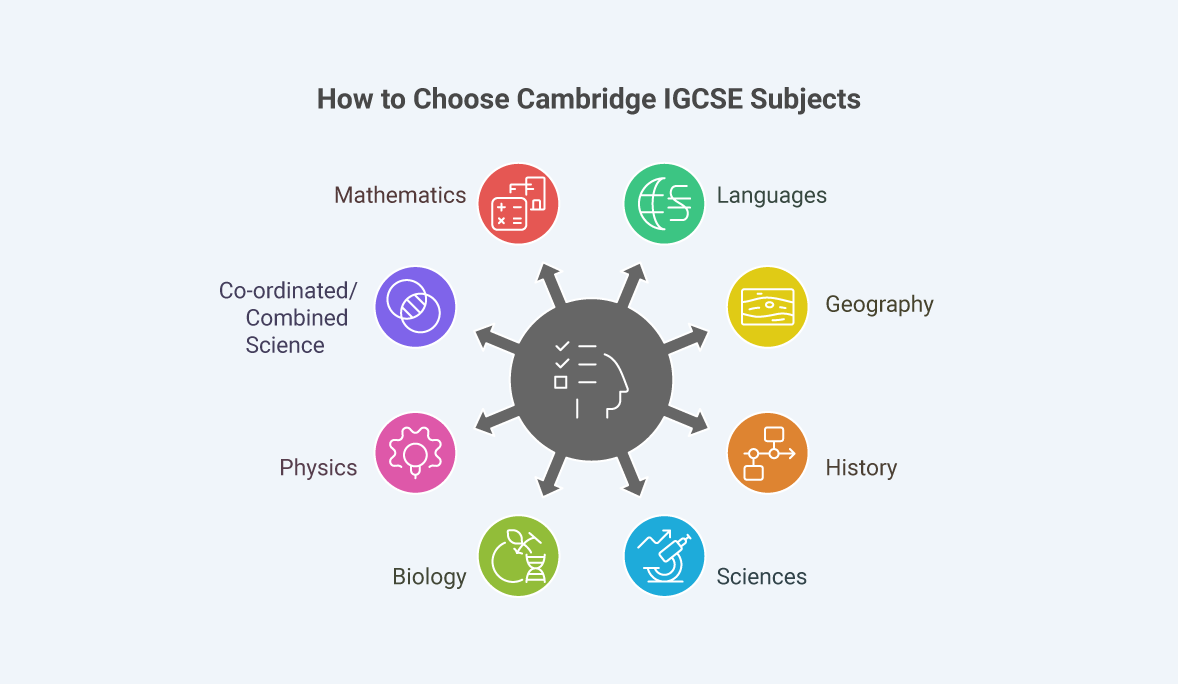
Choose the right subject
Select a subject where you have interest and academic strength. Since the EE requires deep research and long-term commitment, it is much easier to write about a topic you genuinely care about.
Students often choose subjects such as English, History, Economics, Psychology, Biology, Chemistry, Business Management, Geography, or Global Politics. The subject should match the method and style of your essay.
For example, a Biology EE should include scientific investigation, while a History EE should use historical evidence and analysis.
Avoid descriptive questions
The Extended Essay should not simply explain a topic. It should analyse, evaluate, compare, or investigate.
Instead of asking “What were the causes of World War I?”, a stronger question might focus on the extent to which one factor contributed to the conflict within a specific context.
Analytical questions allow you to develop an argument rather than just present information.
Check source availability
Before finalising your research question, make sure there are enough reliable sources. You may have an interesting topic, but if you cannot find academic books, journal articles, data, experiments, or primary sources, your essay will be difficult to complete.
Source availability is especially important for History, Economics, Psychology, and Literature essays.
Keep the question manageable
A strong EE topic is narrow enough to explore within 4,000 words. Many students choose topics that are too ambitious. Remember, the goal is not to cover everything. The goal is to answer one focused question well.
A narrow question often produces better analysis than a broad one.
Refine your question over time
Your first question does not need to be perfect. As you read more, your understanding will improve. You may need to change the wording, narrow the scope, or adjust the focus.
This is a normal part of the research process.
Work with your supervisor
Your supervisor can help you identify problems early. Share your ideas, possible sources, and draft research questions. Be open to feedback.
However, remember that the EE is your independent work. Your supervisor can guide you, but you must make the key academic decisions.
Final advice
A successful Extended Essay begins with a strong research question. Choose a subject you understand, narrow your focus, check your sources, and build a question that allows analysis. Starting with the right question will make the entire EE process clearer, more manageable, and more successful.
Need a tutor for this subject?
Share your city, programme stage and subject — the IB Gram advisor team replies with a small, honest shortlist.