How to Prepare for IGCSE Exams: A Complete Study Plan
Prepare for IGCSE exams with a practical study plan, revision timetable, past paper practice, and subject-wise exam strategies.
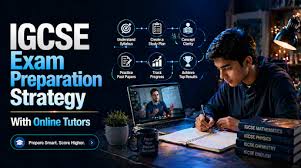
IGCSE exams are an important stage in a student’s academic journey. They help build the foundation for future qualifications such as IB, A-Levels, AP, or other senior secondary programmes.
Preparing well for IGCSE exams requires more than reading textbooks. Students need a clear study plan, regular revision, past paper practice, time management, and strong exam technique.
Understand your syllabus
The syllabus is the most important document for each subject. It tells you exactly what topics, skills, and assessment objectives you need to know.
Before starting revision, download or review the syllabus for each subject. Use it as a checklist and mark every topic as confident, needs revision, or difficult.
This prevents you from wasting time on content that may not be tested.
Create a revision timetable
A revision timetable helps you stay organised. Divide your subjects across the week and assign specific topics to each study session.
Avoid vague plans like “study science.” Instead, write “revise Biology transport in plants” or “complete Maths algebra questions.”
Specific planning makes revision more effective.
Start early
Many students wait until a few weeks before exams to begin serious revision. This creates stress and reduces performance.
Start revising months in advance. Early revision gives you time to understand difficult topics, practise past papers, and improve weak areas.
Practise past papers
Past papers are essential for IGCSE success. They help you understand exam format, question style, timing, and marking expectations.
After completing a past paper, check the mark scheme carefully. Do not only look at your score. Analyse why you lost marks.
Learn from mark schemes
Mark schemes show the exact points examiners expect. In subjects like Science, Business, Economics, and English, correct wording can make a big difference.
Use mark schemes to improve the structure and accuracy of your answers.
Revise actively
Passive reading is not enough. Use active methods such as flashcards, quizzes, mind maps, self-testing, teaching someone else, and writing summaries from memory.
Active revision helps you remember content for longer.
Focus on weak topics
Keep a list of topics where you struggle. These may include algebra, electricity, chemical equations, essay structure, or source analysis.
Spend extra time on these areas until they improve.
Practise under timed conditions
Many students know the content but lose marks because they run out of time. Practise full papers with a timer.
This helps you learn how quickly you need to work and how much time to spend on each question.
Take care of yourself
Good exam preparation includes rest. Sleep properly, eat well, take breaks, and avoid panic revision.
A healthy routine improves concentration and memory.
Final advice
IGCSE preparation is most effective when it is consistent. Use the syllabus, follow a timetable, practise past papers, review mistakes, and revise actively. With a clear plan, students can approach IGCSE exams with confidence.
Need a tutor for this subject?
Share your city, programme stage and subject — the IB Gram advisor team replies with a small, honest shortlist.